
- +923107774151
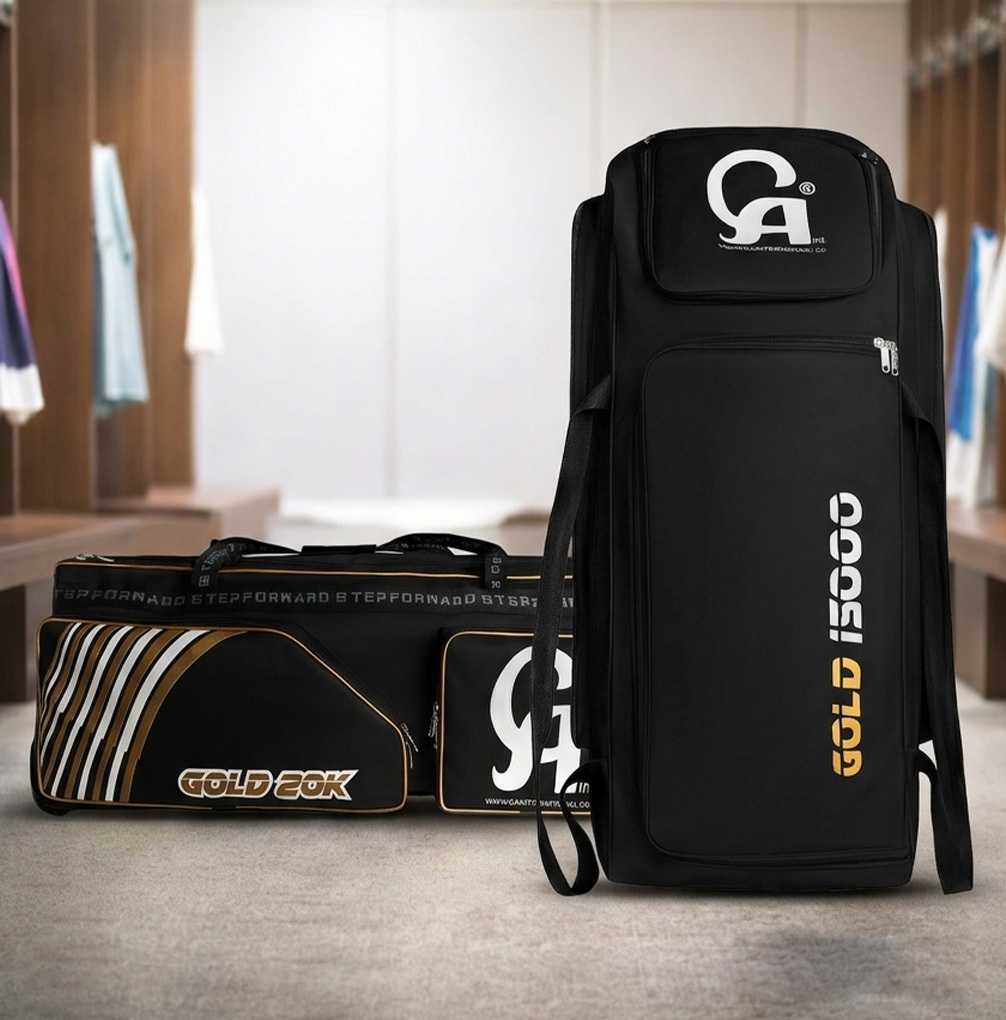
A well-organised cricket kit makes every training session and match easier. From bats and pads to gloves and helmets, players carry several pieces of cricket gear that need proper storage and protection. This is where a good cricket kit bag becomes essential.
Choosing the right bag is not only about size. Players also need to consider the style, durability, compartments, and comfort when transporting their equipment. Beginners may need a simple bag for basic items, while professional athletes often require larger bags to carry multiple bats and protective gear.
This guide explains how to choose the right cricket kit bag based on your equipment, playing level, and travel needs.
A cricket kit bag does more than simply hold equipment. It keeps gear organised, protects valuable items, and makes transportation easier.
Cricket equipment is often expensive, especially bats and protective gear. A quality bag helps prevent damage during travel and storage.
Proper compartments and padding protect items like bats, gloves, and helmets from scratches or pressure.
During practice sessions or matches, players need quick access to their gear. A well-designed bag helps keep everything in place.
Common compartments include:
A good organisation saves time and keeps equipment clean.
Players often travel with heavy equipment. A comfortable bag design makes it easier to carry everything from the dressing room to the field.
Modern bags offer wheels, backpack straps, or shoulder handles to improve portability.
There are several styles of cricket kit bags available. Each type suits different playing levels and equipment needs.
Duffle bags are one of the most popular options among modern players. They are designed with shoulder straps so they can be carried like a backpack.
Key advantages include:
Duffle bags are ideal for club players and athletes who travel frequently.
Wheelie bags are larger bags with built-in wheels and pull handles. They are designed for players who carry heavy equipment.
Benefits include:
Many professional players prefer wheelie bags because they can carry multiple bats and extra gear.
Backpack-style cricket bags are compact and simple. They are commonly used by junior players or beginners.
These bags usually provide:
However, they may not be suitable for carrying a full set of equipment.
Selecting the correct size is one of the most important steps when buying a cricket kit bag.
Small bags are suitable for beginners and junior players.
Typical features include:
These bags are ideal for players who carry minimal gear.
Medium-sized bags are designed for club-level cricketers who carry a full set of equipment.
They usually provide space for:
Medium bags offer a balance between storage capacity and portability.
Large bags are used by professional players or serious athletes who carry extensive gear.
These bags can hold:
They often include wheels or reinforced straps to support heavier loads.
Before buying a bag, players should consider how much gear they usually take to training or matches.
Beginner players typically carry fewer items, including:
A small or medium bag is usually enough for beginners.
Club-level players often require more storage space.
Their cricket kit may include:
A medium-sized bag usually works best for this level.
Professional athletes carry a large amount of cricket gear.
Their equipment may include:
For these players, a large wheelie bag is the most practical choice.
When buying a bag, players should pay attention to features that improve durability and convenience.
A good bag should have several compartments to keep equipment organised. This prevents items from getting mixed together.
Bat pockets are essential for protecting valuable bats from scratches or damage.
Many premium bags include external bat sleeves for easy access.
Cricket shoes can become dirty after matches. A separate shoe compartment helps keep the rest of the gear clean.
For wheelie bags, strong wheels and durable handles are important for smooth transportation.
Some bags include ventilation panels that allow airflow inside the bag. This helps reduce moisture and odour from sweaty gear.
The material of the bag affects durability and protection.
Most cricket kit bags are made from nylon or polyester because these materials are lightweight and durable.
They also resist tearing during regular use.
Many bags include waterproof coatings to protect equipment from rain or damp conditions.
High-quality zippers and reinforced stitching are essential for long-term durability. Cheap zippers often fail after heavy use.
Both styles have advantages depending on the player's needs.
Feature | Duffle Bag | Wheelie Bag |
Carry Method | Backpack straps | Wheels and pull handle |
Weight | Lightweight | Heavier |
Storage Capacity | Medium | Large |
Best For | Club players | Professional players |
Choosing the right style depends on how much equipment you carry and how far you travel.
Many buyers choose a bag without considering their real needs.
A small bag may not fit all the equipment, forcing players to carry extra items separately.
Without proper compartments, equipment can become disorganised and harder to find.
While budget matters, durability and storage capacity are more important for long-term use.
Straps, handles, and wheels should be comfortable and strong enough for regular travel.
To select the perfect bag, players should follow these simple tips:
Consider how much cricket gear you carry regularly.
Choose a size that fits your playing level and equipment needs.
Look for durable materials and strong zippers.
Decide whether you prefer backpack-style or wheelie bags.
Select reliable brands known for quality equipment, such as CA International.
A good cricket bag should last several seasons and keep your equipment safe.
A good cricket kit bag helps players protect their equipment, stay organised, and travel comfortably to matches and training sessions. The right bag depends on the amount of cricket gear you carry and your level of play.
Beginners often benefit from compact bags, while club and professional players usually need larger bags with additional compartments and wheels.
By considering size, style, durability, and storage features, players can choose a bag that supports their performance and keeps their equipment safe throughout the season.
The size depends on how much equipment you carry. Beginners usually need small bags, while professional players often require large wheelie bags.
Wheelie bags are better for heavy equipment, while duffle bags are lighter and easier to carry on the shoulders.
Most medium bags can hold one or two bats, while large professional bags can carry several bats.
No, junior players usually need small or medium bags because they carry fewer items.
Important features include strong material, multiple compartments, bat pockets, ventilation, and durable zippers.
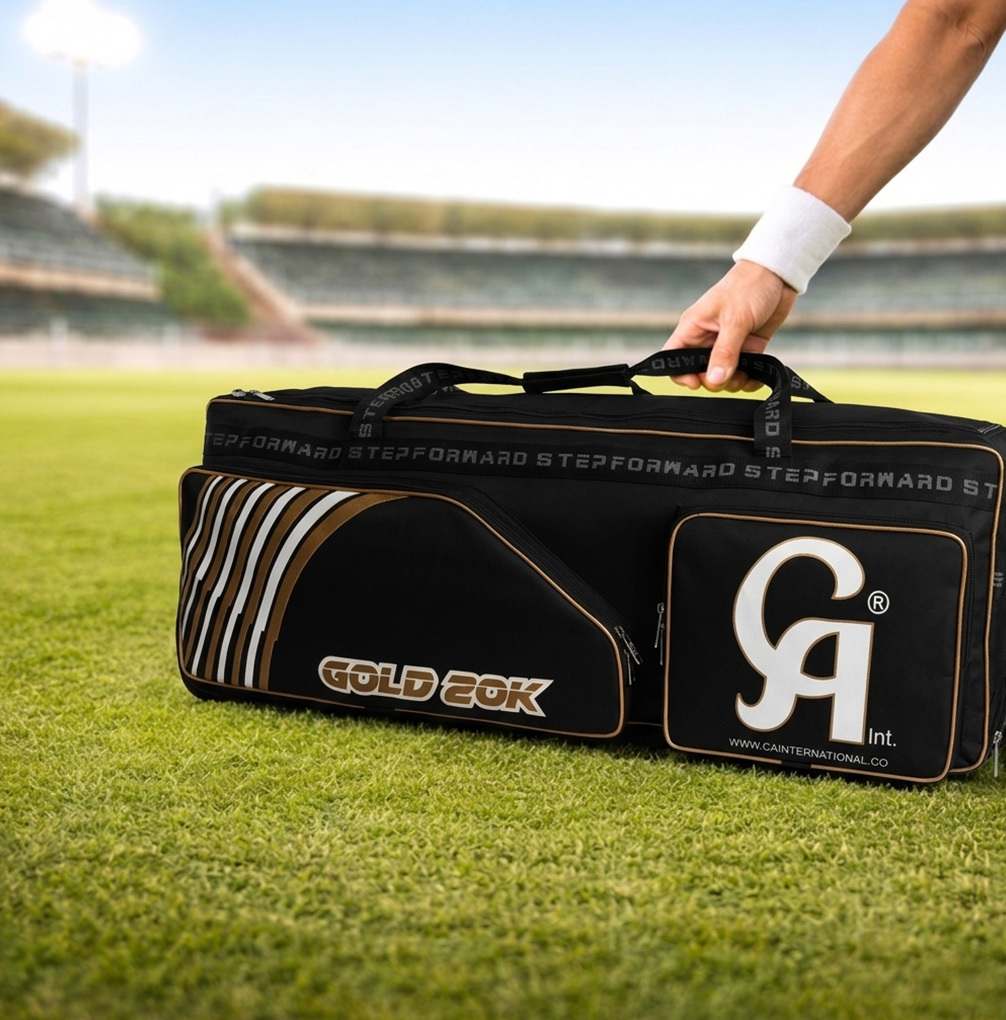
Discover how to choose the right cricket kit bag. Learn about bag sizes, styles, and key features to carry your cricket gear safely and comfortably.
The Story Behind English Willow From Forest to Cricket Pitch
How to Replace a Cricket Bat Grip Like a Professional
Why Quality Cricket Gear Matters in Competitive Matches

PSL 2026 Highest Run Scorer: Babar Azam Dominates with 588 Runs

Cricket Pads Price in Pakistan for Advanced Players – Complete Guide
Is CA International Bat Good Against Spin? Light vs Heavy Explained

Batting Gloves vs Wicket Keeping Gloves Whats the Difference
Cricket Kit Bag Buying Guide: What Size and Style Do You Need
 Multikart Angular
 Multikart React
 Multikart Shopify