
- +923107774151
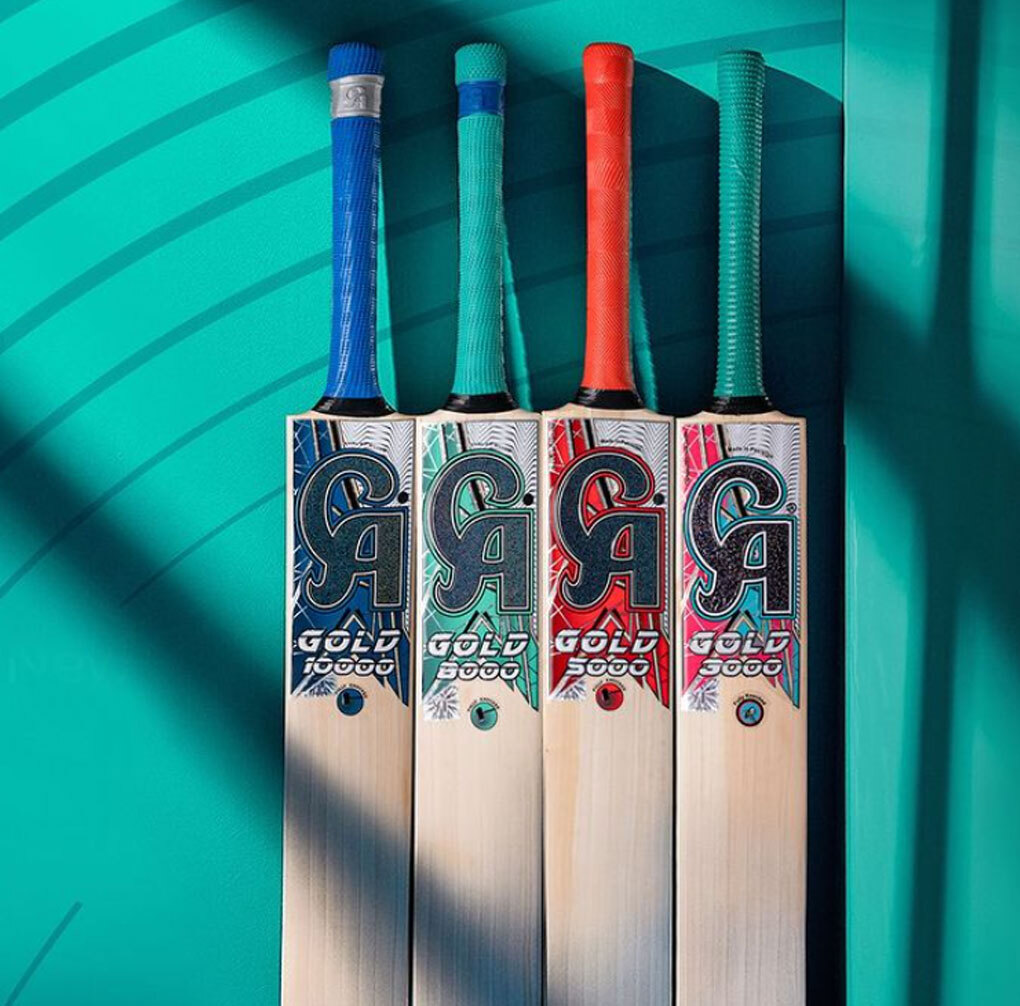
Choosing the right cricket bat can be a daunting task, especially with the wide variety of options available today. Whether you're overwhelmed by the different types of willow, unsure about the right size, or confused about which bat shape suits your playing style, it's easy to feel lost in the decision-making process. In this blog, we're going to break down everything you need to know to make the right choice. By the end, you'll be equipped with all the knowledge necessary to pick the perfect bat for your game.
To make your decision even easier, CA International offers top-quality cricket willow bats that cater to every level of play, from beginner to professional. Our bats are crafted from the finest materials and are available at affordable prices, ensuring you get the best value for your investment. |
Before diving into the technical aspects, it's crucial to assess your personal preferences and playing style.
Playing Level: Beginners, intermediate, or advanced players have different requirements.
Batting Style: Your preferred shots (defensive, aggressive, or all-rounder) influence bat selection.
Budget: Determine how much you're willing to invest in a bat.
Size and Weight: Bat length should ideally reach your hip when standing upright.Bat weight is a balance between power and control. Heavier bats offer more power but are harder to handle.
Bat Profile: The shape of the bat affects pick-up, sweet spot, and shot-making ability. Concave profiles generally offer more power, while flatter profiles prioritize control.
Willow Grade: Higher-grade willow is more durable and provides a better feel. However, it comes at a premium price.
Grip and Handle: A comfortable grip is essential for proper control. Consider the handle material (cane, rubber, or composite) based on your preference.
Try Before You Buy: Whenever possible, test different bats to find the perfect fit.
Consider Your Strength: Don't be tempted by a heavier bat if you struggle to handle it.
Balance Power and Control: Find a bat that suits your playing style and allows you to play your shots effectively.
Look for Quality: Invest in a reputable brand to ensure durability and performance.
Proper Care: Maintain your bat through oiling and covering to prolong its life.
By carefully considering these factors and experimenting with different options, you can find the cricket bat. Remember, the perfect bat is one that feels right in your hands and complements your playing style.
Choosing the right cricket bat is crucial for enhancing your performance and enjoyment of the game. By understanding your needs, considering key factors like size, weight, and willow grade, and testing different options, you can find a bat that perfectly suits your style and skill level. Just as important is pairing your bat with the right sports shirt for comfort and performance on the field. Whether you're a beginner or a seasoned player, investing in a quality bat and the appropriate sports gear will make a significant difference in your game.
At CA International, we offer a range of top-qualitycricket willow batsandsports shirtsto help you make the best choice for your game. With the right equipment, you'll be well-equipped to take your cricket to the next level.
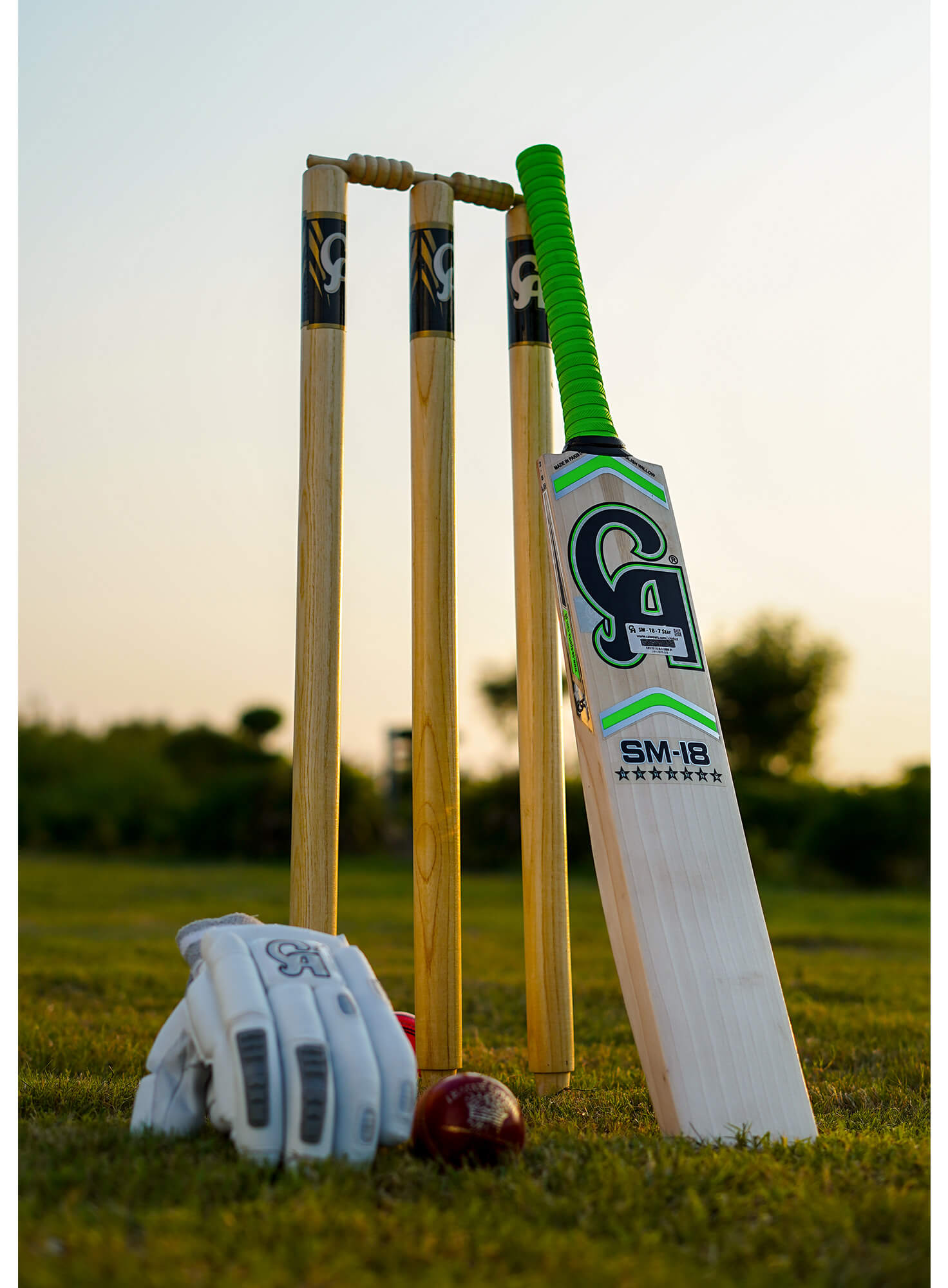
Choosing the right cricket bat
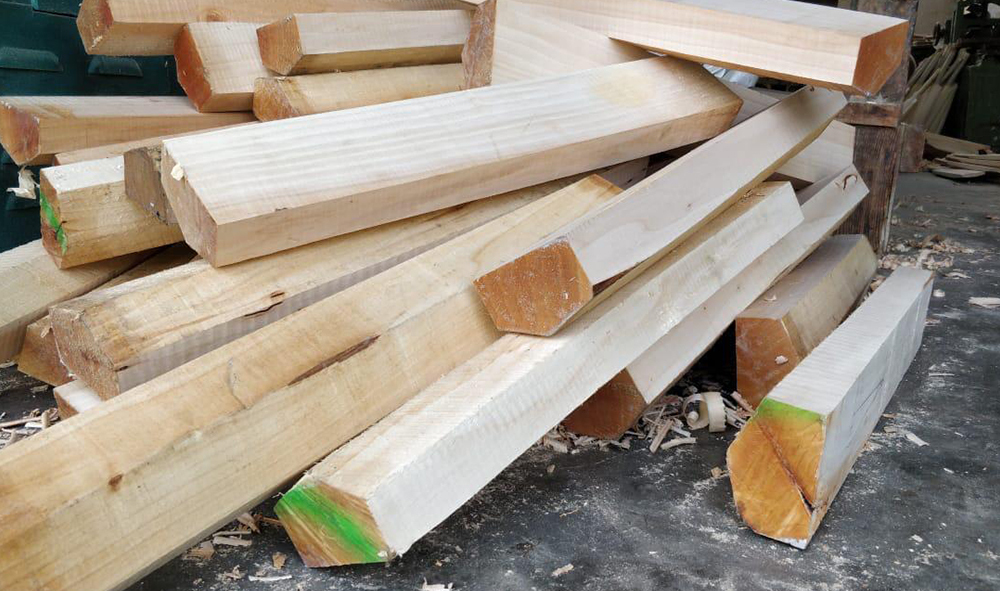
The Story Behind English Willow From Forest to Cricket Pitch
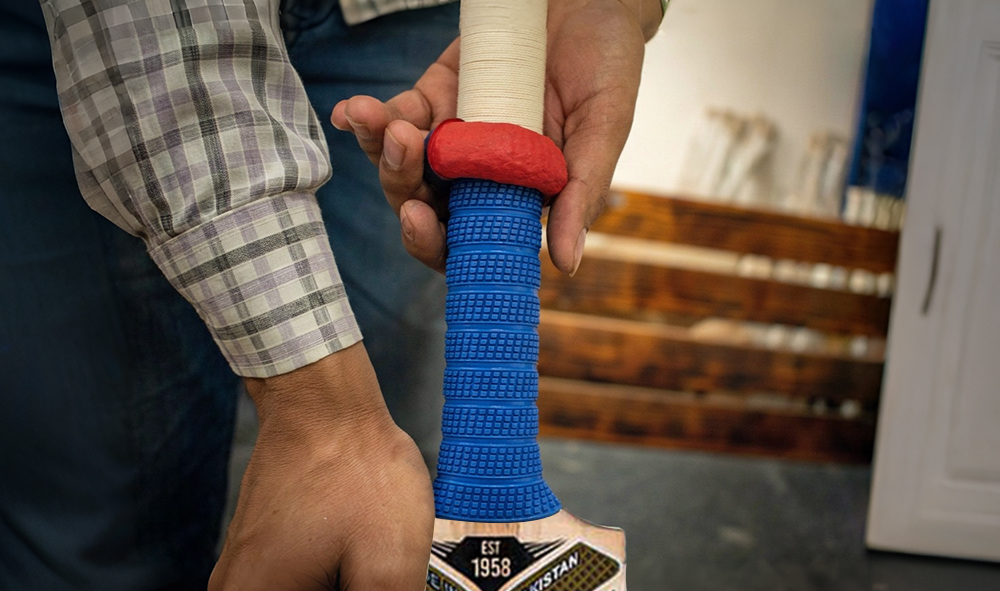
How to Replace a Cricket Bat Grip Like a Professional
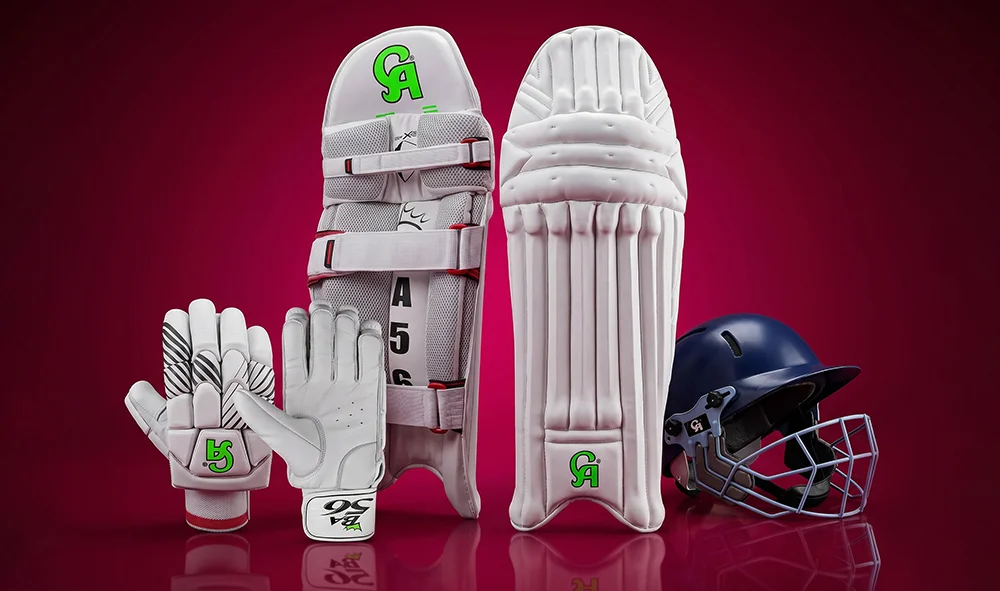
Why Quality Cricket Gear Matters in Competitive Matches

PSL 2026 Highest Run Scorer: Babar Azam Dominates with 588 Runs

Cricket Pads Price in Pakistan for Advanced Players – Complete Guide
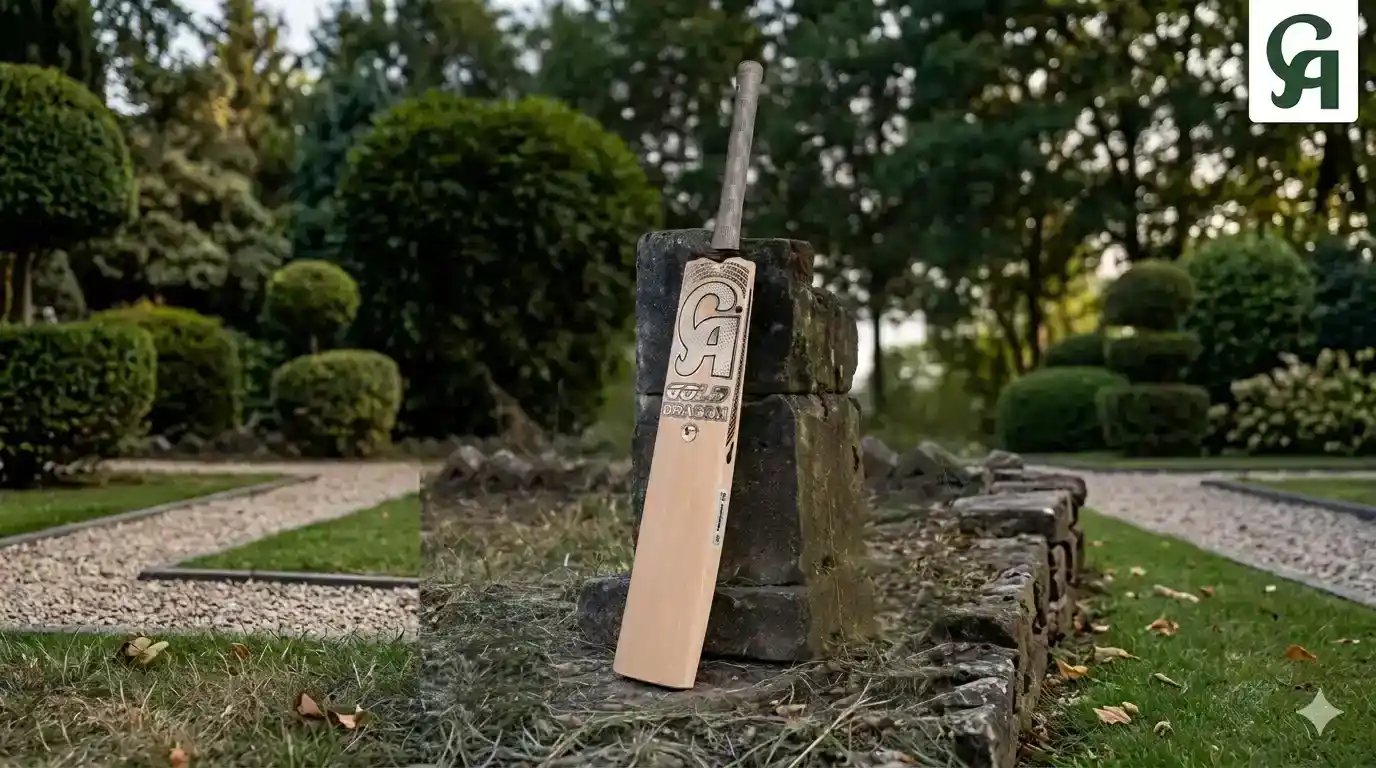
Is CA International Bat Good Against Spin? Light vs Heavy Explained

Batting Gloves vs Wicket Keeping Gloves Whats the Difference

Cricket Kit Bag Buying Guide: What Size and Style Do You Need
 Multikart Angular
 Multikart React
 Multikart Shopify