
- +923107774151
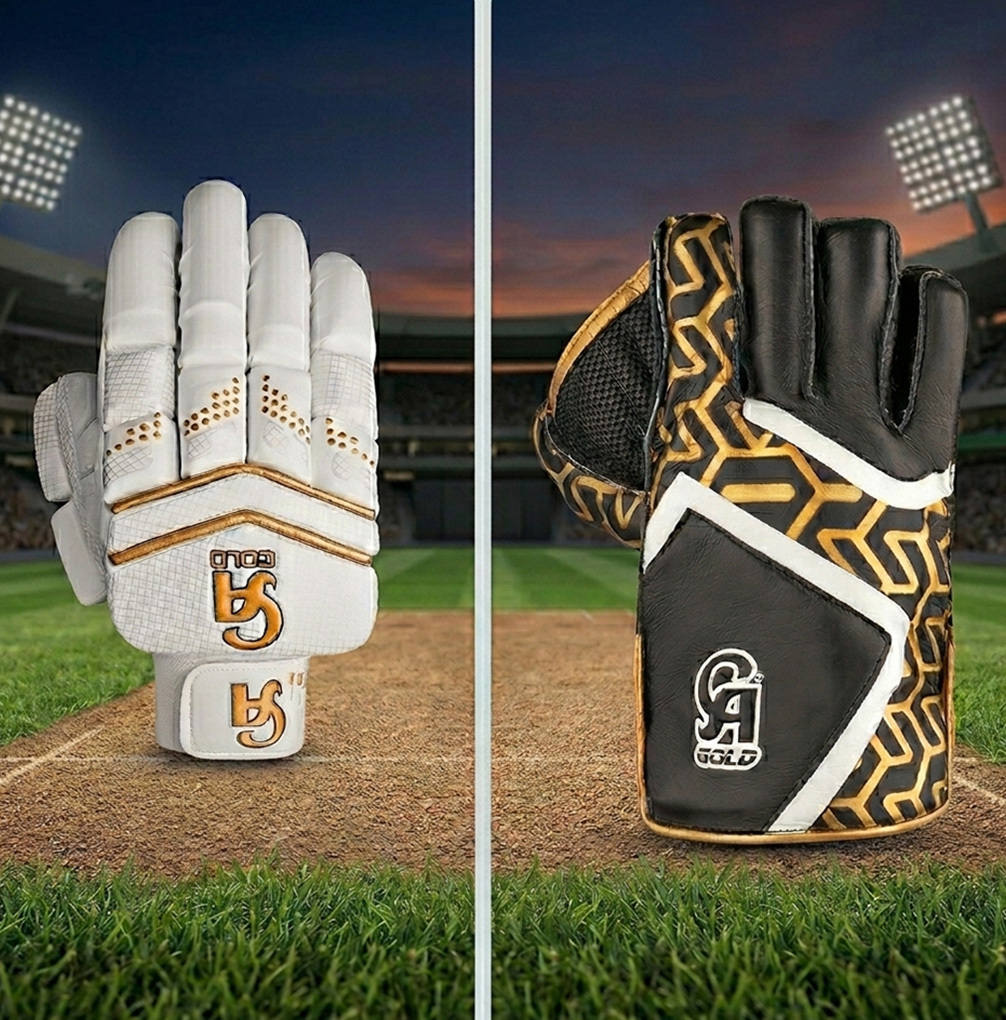
In cricket, hand protection is a key part of the game. The type of gloves a player uses depends on their role on the field, and choosing the right ones can affect both safety and performance.
Many players, especially beginners, get confused between the gloves used for batting and those used behind the stumps. While they may look similar at first, they are built for very different purposes.
This guide will clearly explain the differences, when each type is used, and how to choose the right option based on your role.
| Feature | Batting Gloves | Wicket Keeping Gloves |
|---|---|---|
| Purpose | Protect hands while batting | Catch and control the ball |
| Design | Flexible with padding | Larger with webbing |
| Protection | High impact protection | Cushioning for catches |
| Flexibility | High | Limited |
| Grip | For holding the bat | For catching the ball |
| Usage | Used by batsmen | Used behind the stumps |
Batting Gloves are designed to protect the hands while playing shots. Facing fast deliveries can put a lot of pressure on the fingers and knuckles, so proper protection is essential.
The main purpose is to absorb impact, improve grip, and provide comfort during long innings.
These are used whenever a player is at the crease, regardless of skill level.
Wicket Keeping Gloves are used by the player standing behind the stumps. Its design focuses on catching and controlling the ball rather than flexibility.
They are larger and more structured to handle high-speed deliveries and edges.
These are essential for players responsible for catching and stopping the ball during play.
One is lightweight and flexible, while the other is bulkier with added features for catching.
One focuses on direct impact protection, while the other provides cushioning during catches.
One is designed for holding the bat, the other for controlling the ball.
One allows full finger movement, while the other is more restricted.
One is lighter for longer use, while the other feels heavier due to added structure.
The gloves used for batting are not suitable for catching. They lack the grip and structure needed to control the ball properly.
This can lead to dropped chances and reduced performance. It may also increase the risk of injury during play.
This is also not recommended.
The gloves used behind the stumps are too bulky and restrict movement. This makes it difficult to hold the bat properly and play controlled shots.
For better performance, each role requires its own type.
Inner gloves are worn inside to improve comfort and control.
They help absorb sweat, keep hands dry, and provide a better fit. This reduces slipping and allows more consistent performance throughout the game.
Choosing the right option depends on your role and personal comfort.
Trying them before buying, if possible, always helps.
Many players make simple mistakes that affect their performance.
Avoiding these issues can improve both safety and gameplay.
The answer depends on what role you play.
If your main role is batting, choose the option designed for that purpose. If you are responsible for keeping, then the other type is required.
Players who perform both roles may need both.
One is designed for protecting hands during shots, while the other is built for catching and controlling the ball.
No, they are not suitable for batting due to limited movement and grip.
Webbing helps secure the ball during catches.
Yes, they are designed to reduce impact and protect fingers.
Yes, they are usually heavier because of added structure and padding.
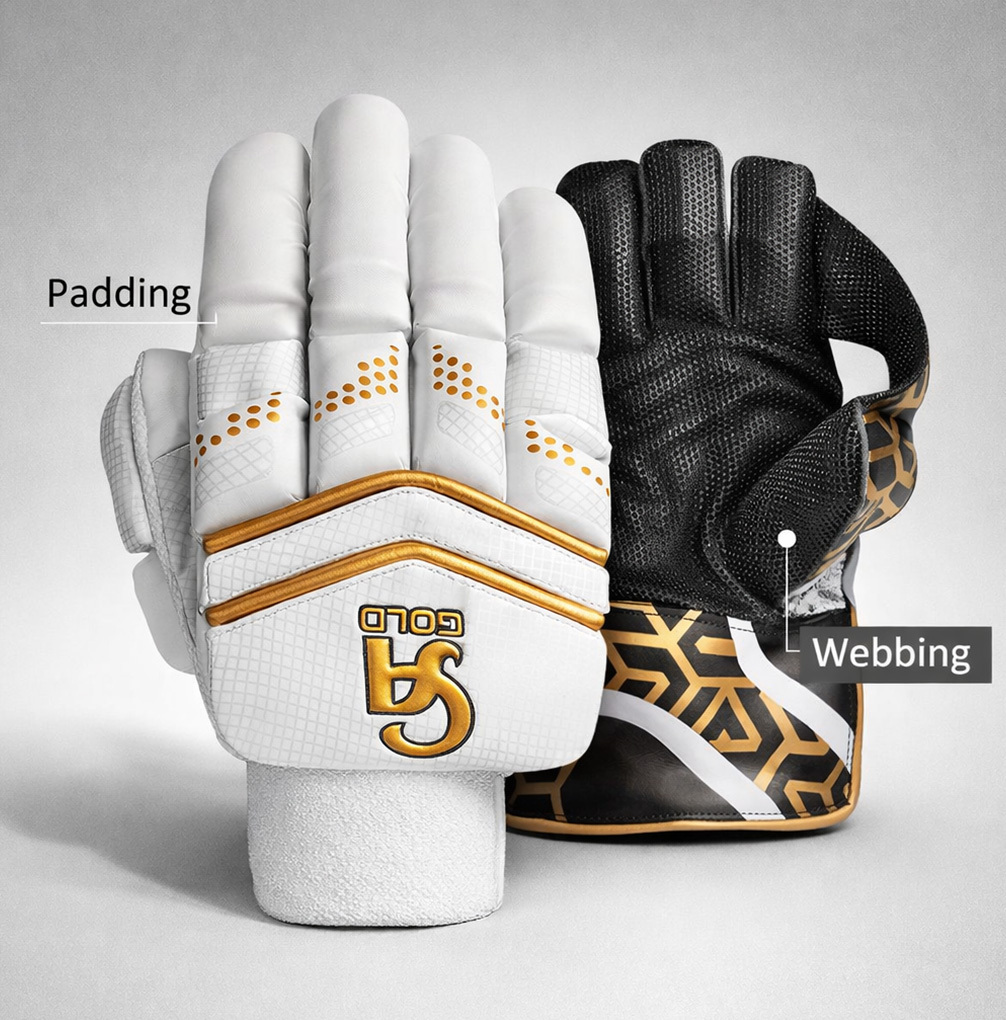
Learn the difference between batting and wicket-keeping gloves. Discover features, uses, and how to choose the right cricket gloves for your role.
The Story Behind English Willow From Forest to Cricket Pitch
How to Replace a Cricket Bat Grip Like a Professional
Why Quality Cricket Gear Matters in Competitive Matches
PSL 2026 Highest Run Scorer: Babar Azam Dominates with 588 Runs
Cricket Pads Price in Pakistan for Advanced Players – Complete Guide
Is CA International Bat Good Against Spin? Light vs Heavy Explained
Batting Gloves vs Wicket Keeping Gloves Whats the Difference
Cricket Kit Bag Buying Guide: What Size and Style Do You Need
 Multikart Angular
 Multikart React
 Multikart Shopify